






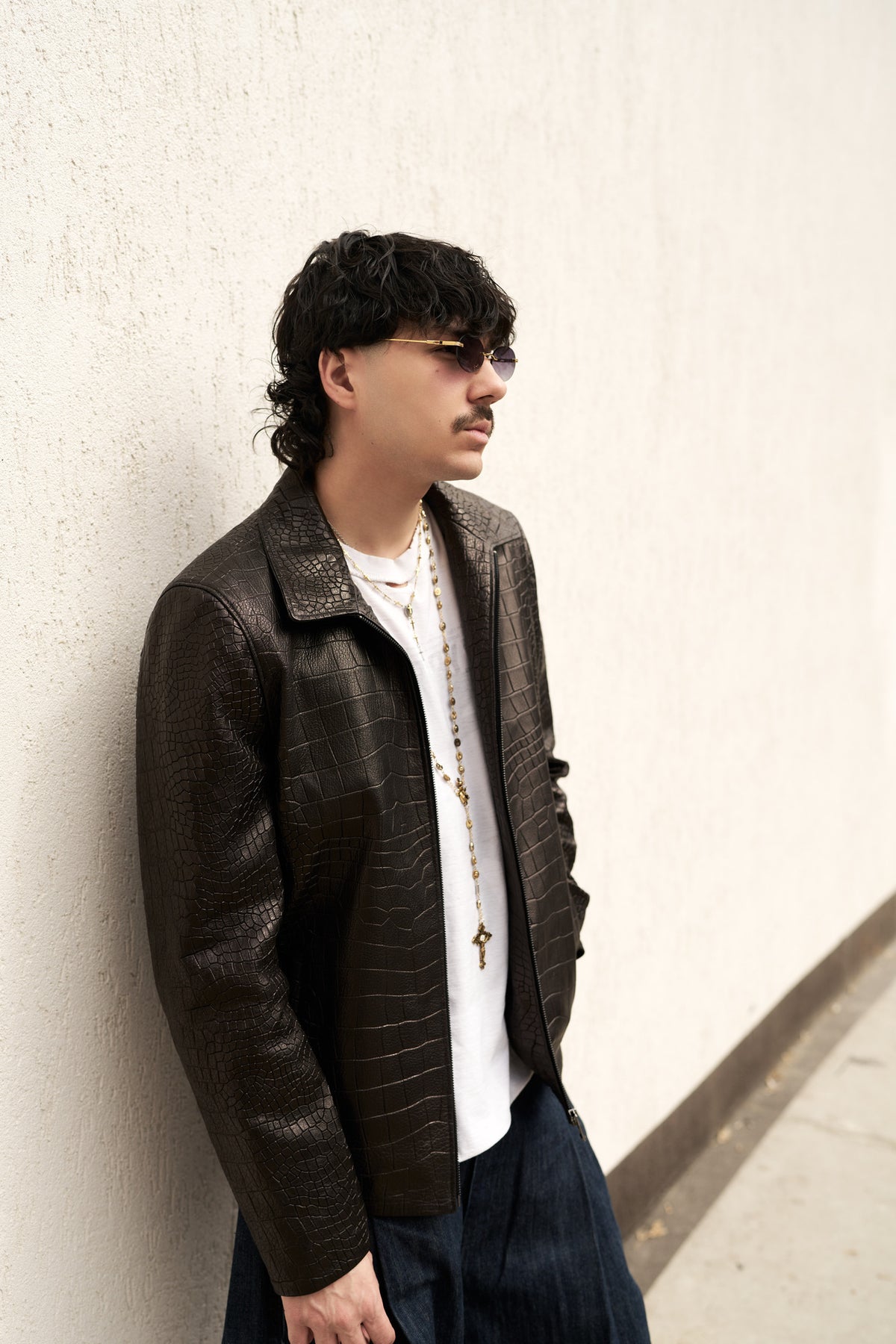

Quiet Luxury: What it means and how to translate it into your wardrobe
Fashion luxury does not need to be proven through large logos, recognizable prints, or pieces that instantly draw all eyes. The concept of quiet luxury describes a wardrobe where value is suggested by the material, cut, finishes, and the coherent way in which the clothes are worn.
This style does not require you to give up everything you own and start a new wardrobe. It is more useful to learn to recognize quality, identify the pieces you are missing, and choose clothes that you can naturally integrate into your daily life.
What quiet luxury means

Defining the concept
Quiet luxury is an aesthetic based on discreet quality, not on a certification that guarantees a product is well-made. Pleasant materials, carefully constructed cuts, proper finishes, and subtle branding contribute to that impression of understated elegance.
Color palettes are usually coherent, and the design avoids details that are difficult to combine. However, the style is not limited to beige and minimalism. It can include intense colors, interesting volumes, or expressive textures, as long as the ensemble remains balanced.
Why it has become so sought after
Interest in this style comes from the desire to have clothes that are easier to wear, less dependent on trends, and with a higher utility value. Capsule wardrobes, social media, and a concern for more mindful consumption have made the concept more visible.
Its elements, however, are not new. They largely stem from classic style and the tradition of well-tailored clothes that are maintained and worn in different contexts.
Quiet luxury is not just about expensive clothes
A high price does not guarantee a good fiber, a successful cut, or a long usage duration. Brand reputation and product presentation can influence the price without necessarily indicating the quality of construction.
Therefore, a purchase must be evaluated by composition, material density, seams, lining, and how it fits with the rest of your wardrobe. The label matters less than how the product meets your real needs.
Quiet luxury, classic style, minimalism, and "old money"

Difference from classic style
Classic style includes established staples, such as the straight coat, shirt, blazer, and tailored trousers. Quiet luxury adopts many of these, but pays more attention to materials, finishes, and the absence of ostentatious branding.
The two concepts overlap without being synonymous. A classic outfit can be made of affordable pieces, and a quiet luxury outfit can use contemporary cuts.
Difference from minimalism
Minimalism generally aims to reduce the number of pieces, colors, and details. Quiet luxury can include more textures, volumes, and even a statement piece, if it is well-executed and does not ostentatiously dominate the ensemble.
A minimalist wardrobe is not automatically premium. At the same time, a wardrobe built around quality does not have to be austere or lacking in personality.
Difference from the "old money" aesthetic
The "old money" aesthetic is inspired by the wardrobes associated with traditional elites and dress codes such as equestrian, nautical, or club attire. Quiet luxury aims primarily for discreet quality, not the reproduction of a certain social status image.
The goal is not for the clothes to indicate belonging to a group, but to function well, fit correctly, and be wearable often enough.
Connection to slow fashion
Quiet luxury and slow fashion meet in careful selection, repeated use, proper maintenance, and the reduction of impulsive shopping. The difference is that the first term describes an aesthetic, while the second looks more broadly at production, consumption, and the lifespan of clothes.
A product with a discreet look is not automatically sustainable. For a responsible evaluation, information about materials, origin, production, and repairability is necessary.
How to recognize quality clothes

Material composition
Check the label and the exact percentages in the composition. Wool, cashmere, natural leather, silk, and cotton are frequent in a premium wardrobe, but their mere presence does not guarantee the product's performance.
What matters is the quality of the fiber, density, finish, and how the material was constructed. Natural fibers are not superior in every situation: some well-chosen blends can improve durability, elasticity, or maintenance.
The cut and how it fits
Observe the shoulders, sleeve length, hem position, and proportions in relation to your body. Try the piece on while moving, sit down, raise your arms, and check if the material pulls or forms unwanted creases.
A well-chosen garment can become more valuable through small adjustments made by a tailor. This is especially useful for trousers, blazers, and coats.
Seams and finishes
Seams should be straight and regular, with no loose threads or strained areas. Check how the lining is attached, the stability of the buttons, the functionality of the zippers, and the edge finishing.
The interior can show how much attention was paid to the product, even if it does not allow for absolute deductions about the production method. Analyze the product as a whole, not just an isolated detail.
Versatility and cost per wear
Cost per wear is calculated by dividing the product price by the estimated number of uses. A 2,000 lei coat worn 100 times results in a cost of 20 lei per wear.
The calculation helps in comparing options, but does not automatically justify any price. The piece must be comfortable, suitable for your lifestyle, and versatile enough to be used as often as you estimate.
The staple pieces of a quiet luxury wardrobe

The wool or cashmere coat
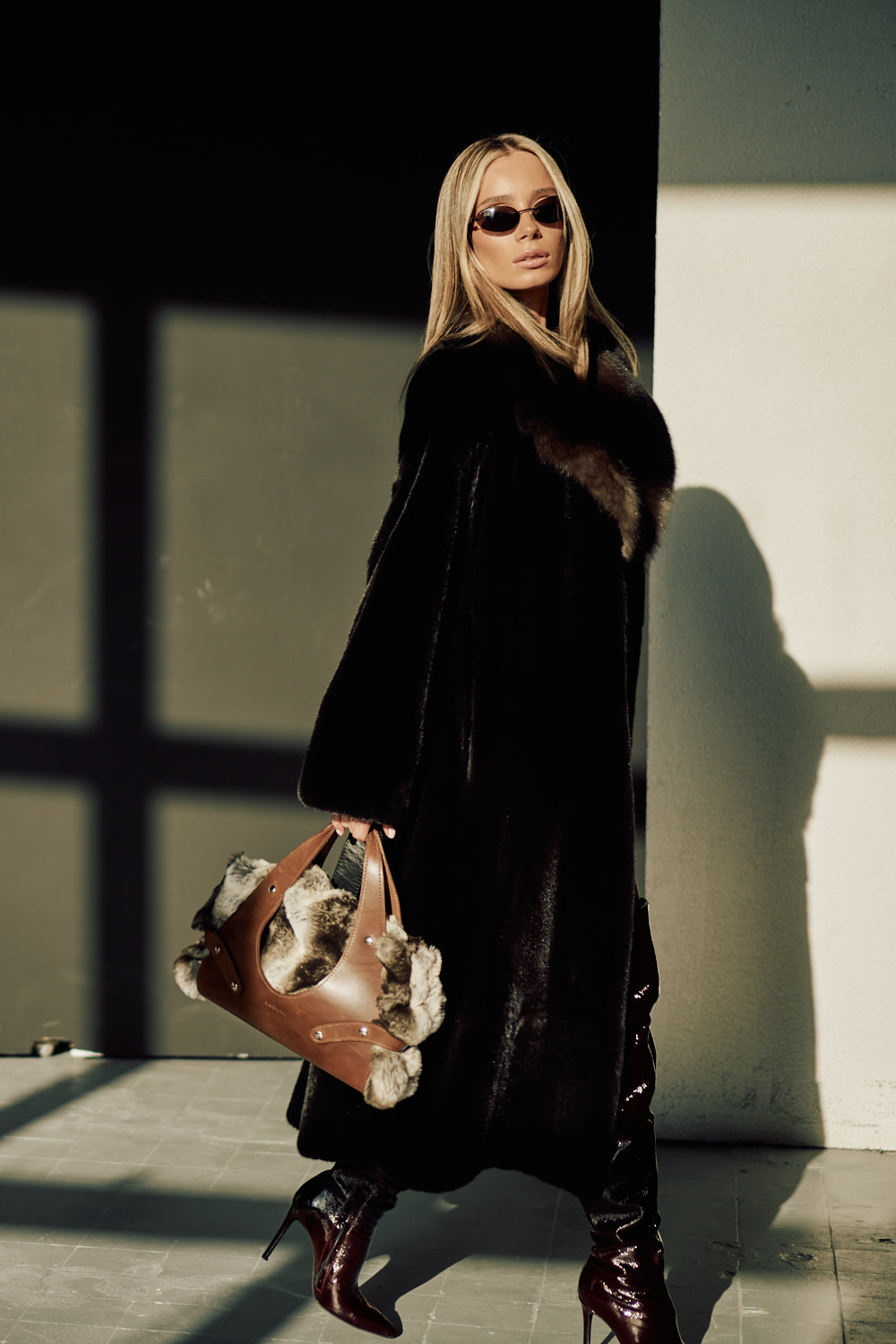
The coat influences the entire outfit in the cold season. Look for well-defined shoulders, a length compatible with the clothes you wear frequently, and a cut that allows for layering knitwear.
Camel, gray, navy, brown, cream, and black are easy to integrate. In the selection of Mareus cashmere and wool coats, natural materials are associated with clean lines, relevant for a wardrobe built around repeated use.
Fine knitwear
Sweaters, cardigans, and turtlenecks made of wool or cashmere can be worn with trousers, skirts, dresses, or under a coat. Check the uniformity of the texture, how the material recovers after a gentle stretch, and the appearance of pilling in friction areas.
A thin knit is useful for layering, while a denser one can become the centerpiece of the outfit.
Well-tailored trousers and skirts
Choose simple lines and materials that hold their shape without limiting movement. The right cut differs from one silhouette to another, so high-waisted, straight-leg trousers, or midi skirts should not be treated as universal solutions.
More important is the ability to combine the piece with the footwear and tops you already own.
The shirt, blouse, and simple dress
These pieces can go from the office to dinner by changing accessories. For shirts and blouses, check the collar, cuffs, buttons, and the transparency of the material.
White is not the only option. Light blue, ivory, burgundy, or very discreet prints can play the same role in a coherent wardrobe.
The natural leather jacket
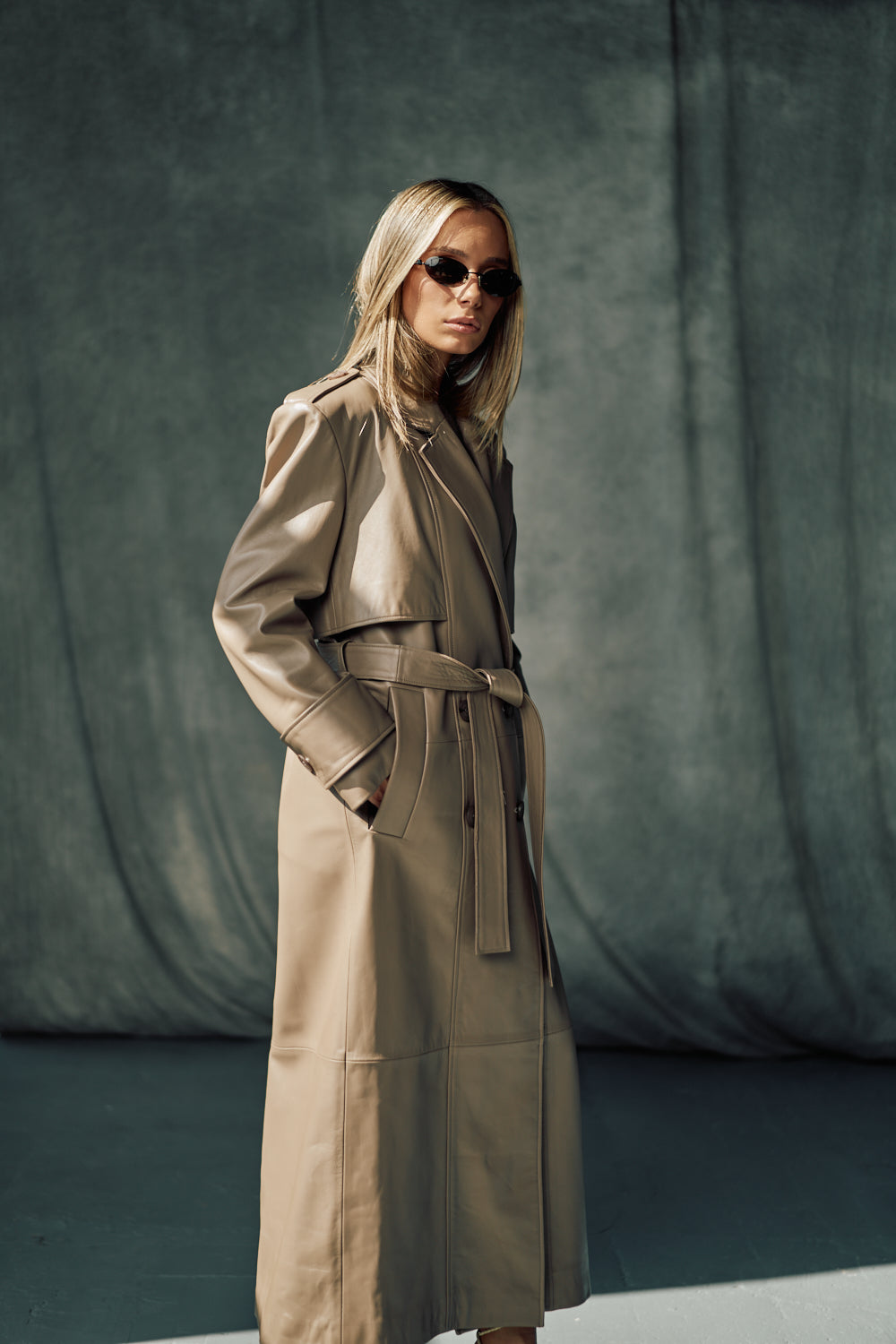
A leather jacket with a clean design can replace a blazer or coat in a business-casual outfit. Models without numerous appliques and visible branding are generally easier to pair with tailored trousers, dresses, or skirts.
The piece is worth adding only if it reflects your style and can be worn in real-life contexts, not just because it fits into a certain aesthetic.
Discreet accessories
A structured bag, a well-finished belt, a scarf, jewelry, and simple footwear can complete the outfit without having to prove its value. Sometimes, a single accessory with personality is enough.
How to build quiet luxury outfits

Use a coherent color palette
Start with two or three main colors. Cream, camel, gray, navy, brown, and black can be complemented with burgundy, dark green, or petrol blue.
Coherence comes from the controlled repetition of colors, not from eliminating them. An accent shade can appear in a sweater, bag, or scarf.
Combine textures, not logos
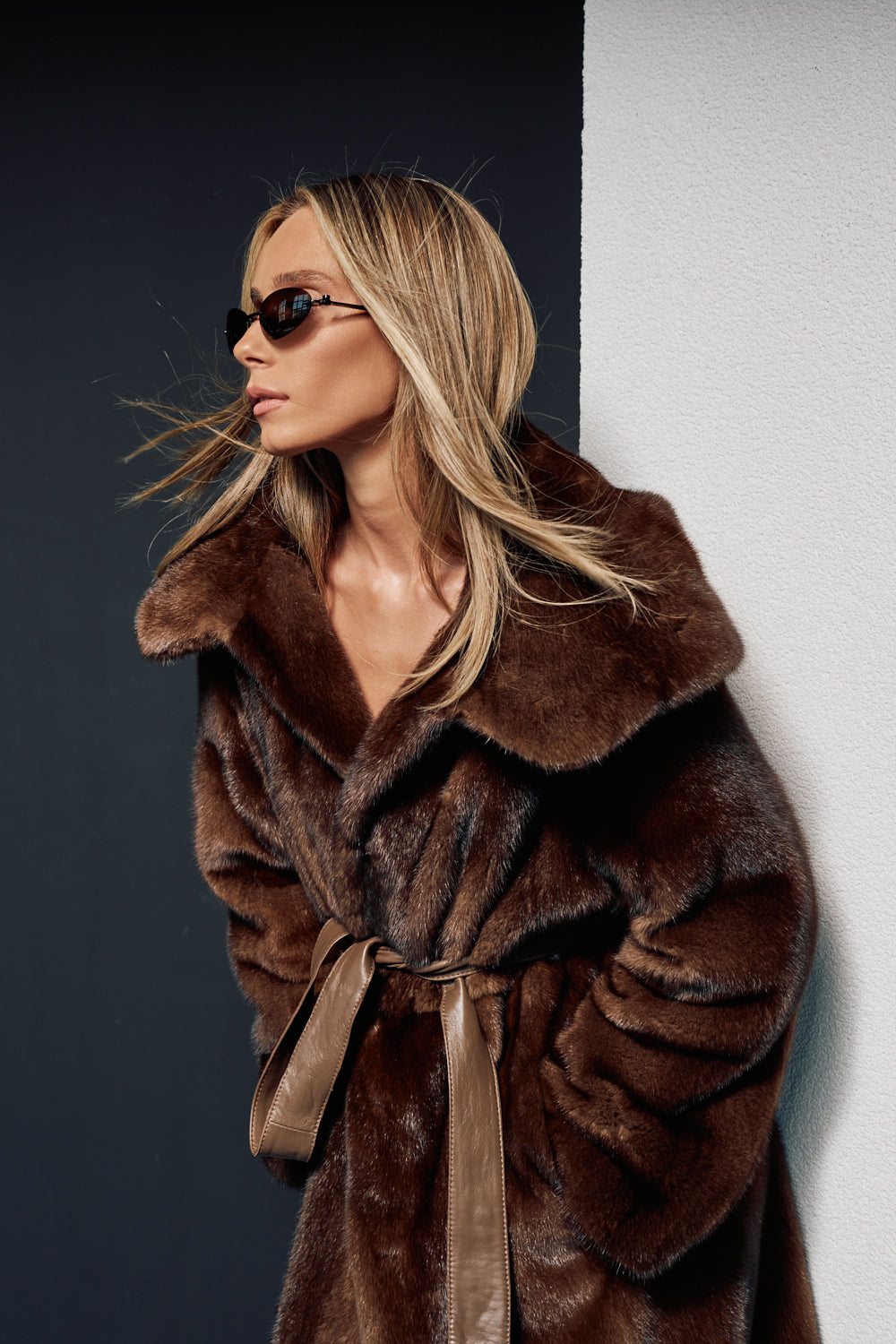
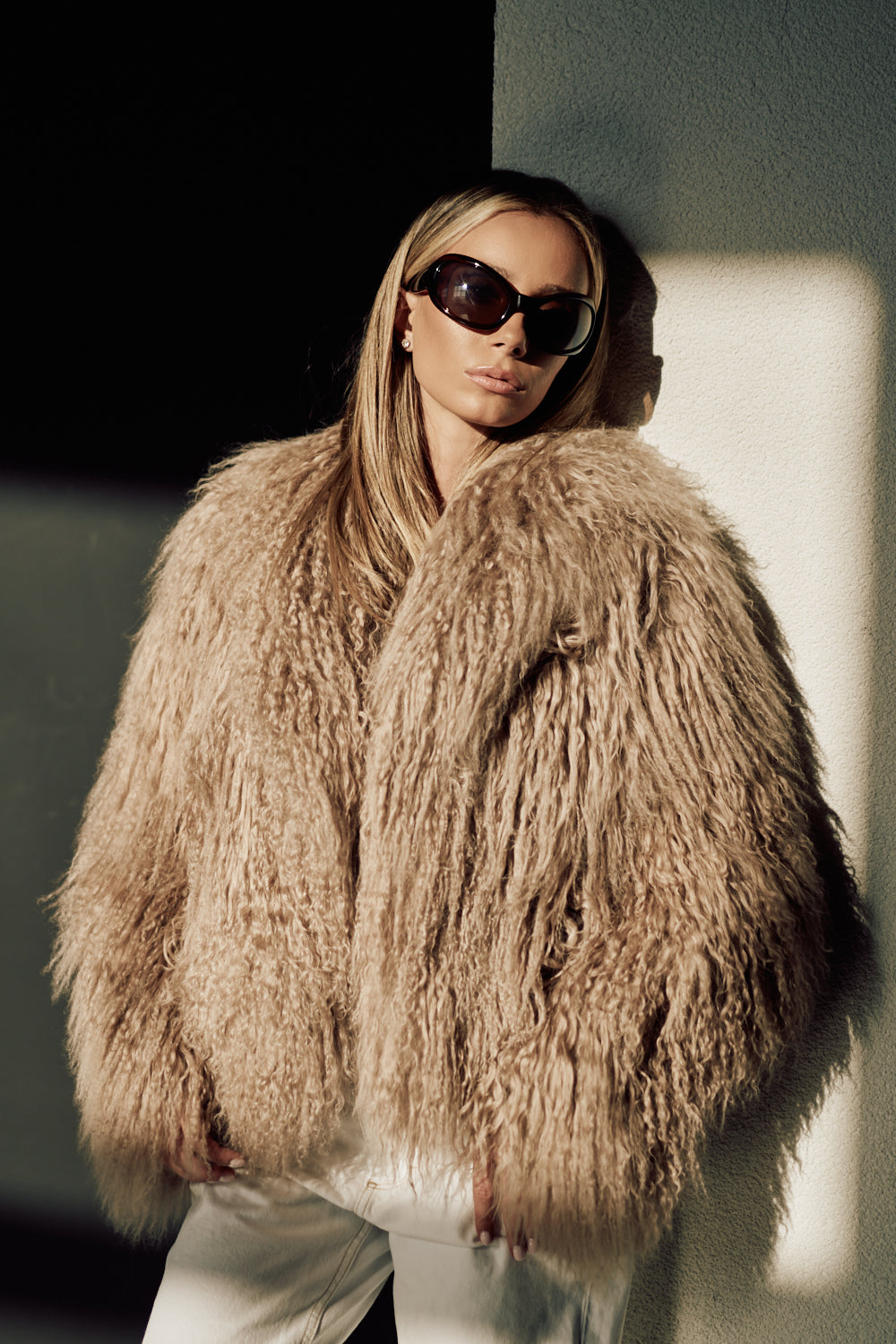
Associate, for example, cashmere with leather, wool with silk, or matte fabric with a smooth accessory. Differences in texture offer depth even to an outfit built in similar colors.
Limit yourself to two or three dominant materials so that the result remains coherent.
Balance volumes and proportions
An ample piece can be combined with one closer to the body. Under an oversized coat, choose layers that maintain freedom of movement without adding unnecessary volume.
Analyze the lengths of the coat, skirt, and trousers together. Successful proportions are more important than rigidly following a trend.
Let one piece lead the outfit
The central piece can be the coat, bag, a well-made knit, or a distinct texture. The rest of the elements should support it through calmer lines and colors.
Easily reproducible outfit formulas

For the office: camel coat, cream turtleneck, brown trousers, and simple ankle boots. Similar colors create continuity, and texture differences avoid monotony.
For a professional meeting: gray coat, white shirt, navy trousers, and loafers. A structured bag can complete the ensemble without other strong accents.
For dinner: cashmere sweater, midi skirt, and clean-design boots. Choose a skirt that balances the volume of the knit and add discreet jewelry.
For a business-casual context: leather jacket, tailored trousers, and simple top made of fine material. The combination works when the jacket has few details and a clear line.
For an event or dinner: monochrome midi dress, long coat, and discreet jewelry. You can introduce color through the dress, keeping accessories in a neutral range.
For the weekend or traveling: fine cardigan, jeans in a uniform color, structured bag, and simple shoes. It is a relaxed formula, but neat enough for several moments of the day.
How to build this wardrobe without impulsive shopping

Start with what you already own
Inventory the clothes that fit well, are maintained, and can be combined into at least three outfits. Only then note the real gaps.
Do not replace a functional garment just to follow a popular aesthetic. Sometimes, an adjustment, a repair, or a new combination is enough.
Buy less often, but more informed
Before purchasing, check the material, cut, finishes, and maintenance instructions. Imagine at least three combinations with pieces you already have and concrete contexts in which you will wear the product.
A selection of women's items can be analyzed according to the same criteria: material, construction, proportions, and compatibility with the wardrobe, not just by the brand's image.
Maintain pieces correctly
Respect the label, air out your clothes, and repair loose buttons, hems, or linings in time. Storage should be adapted to the material: heavy knits are usually kept folded, and coats on proper hangers.
Wool, cashmere, and leather have different requirements. Avoid universal washing methods and use specialized cleaning when the label recommends it.
Common mistakes when adopting the quiet luxury style

Among the most common mistakes are building an exclusively beige wardrobe, buying expensive products without checking the quality, and copying outfits that do not fit one's personal lifestyle.
Just as problematic is choosing an unsuitable cut just because the material seems premium. Quiet luxury does not mean eliminating color or personality, nor the automatic association between high price, quality, and sustainability.
Understated elegance loses its meaning when it becomes a subtle demonstration of status. Clothes should support the person wearing them, not function as proof of their social value.
Conclusion

Quiet luxury means deliberate choices, realistically evaluated materials, proper cuts, and pieces that can be worn frequently. It does not depend on an exclusively neutral palette, a specific brand, or an unlimited budget.
You can build this wardrobe gradually, through attention to finishes, maintenance, and versatility. The best starting point remains your own life: your activities, the proportions you feel good in, and the clothes you will want to wear even after the trend loses its visibility.


