








Moths in the closet: How to identify them and protect your expensive clothes
What are clothes moths and why do they appear in your wardrobe?

Tineola bisselliella, commonly known as the common clothes moth, is a small insect species from the order Lepidoptera that attacks natural textiles. This species has a wingspan of up to 15 millimeters and a body of approximately nine millimeters. Clothes moths differ from pantry moths in their exclusive preference for textile fibers containing keratin, a protein present in animal-derived materials. On the other hand, a second frequently encountered species is Tinea pellionella, whose larvae build a protective casing from textile fibers which they carry as they move.
The biological cycle of clothes moths comprises four distinct stages: egg, larva, pupa, and adult. Fertilized females lay up to 250 eggs daily, from which larvae hatch in approximately 14 days. Larvae, not adult moths, are responsible for all damage to textiles. They actively feed on keratin for about three months, after which they transform into pupae. The transformation process takes between 60 days and several months. Thus, up to four generations of moths can grow within a year, which explains the rapid spread of infestations.
Clothes moths are particularly attracted to natural materials such as wool, cashmere, silk, natural fur, feathers, and leather. Additionally, dirty clothes or those unwashed before storage pose a higher risk, as traces of sweat, food residues, and other organic substances provide larvae not only with the necessary textile fibers but also with supplementary nutrients and liquids. Organic odors from skin secretions or other substances attract adult females to lay their eggs near textiles.
The appearance of moths in wardrobes is favored by several factors. Generally, they prefer dark, warm, undisturbed, and humid places where they can reproduce without being bothered. Storing clothes in rarely used areas, lack of textile aeration throughout the year, and inadequate ventilation create ideal conditions for larval development. Moths can also enter the wardrobe with already contaminated clothes purchased from stores or second-hand items containing eggs or larvae.
How to recognize moths in your wardrobe

Detecting moths in the wardrobe is difficult in the early stages, as they avoid light and disturbed areas. Their presence only becomes evident when damage appears on textiles or visible signs in the wardrobe. Adult insects are discreet and short-lived, and signs of infestation appear on materials rather than in the form of flying moths.
Holes and thinned areas in clothes
Small and irregular holes are one of the clearest indications of moth presence, especially visible on items made of wool, cashmere, silk, or other natural fibers. Damage does not always appear in exposed areas. Frequently, they are located on the back, underarms, collar, cuffs, seams, or in folded areas. The larva consumes fibers for food, it does not chew the material like a rodent. Observing multiple affected items in the same wardrobe constitutes a solid indication of infestation. Damage can also appear as thinned areas with gnawed fibers, without forming a complete hole. Textiles stored for a long time without inspection pose a high risk of invisible damage in folds and hidden parts.
Larvae, cocoons, and silken threads
Larvae appear as small, whitish or cream-colored worms, with a brownish head, a few millimeters long. They can be found on clothes, in material folds, in wardrobe corners, or on shelves. Frequently, larvae are accompanied by thin threads, resembling a fine web, or small cocoons. Cocoons adhering to textiles or wardrobe walls confirm that moths have settled and are actively developing. Delicate silk threads appear in dark corners of the wardrobe or directly on fabrics. After hatching, larvae leave empty skins or cocoons in wardrobe corners, under clothes, or in material folds.
Adult moths near the wardrobe
Adult moths are small insects, 5-10 mm, with a yellowish-brown coloration. They fly slowly and are most often observed in the evening, when disturbed by opening the wardrobe. They quickly flee when the wardrobe light is turned on. The presence of an adult specimen signals the need for inspection, but does not alone confirm the degree of textile infestation. Adults do not cause direct damage to materials.
Debris and deposits on materials
A fine dust resembling lint can be observed on shelves or clothes, representing larval excrement. Small granules and dark spots on textiles are larval remains. Small silken tubes attached to fibers serve as protection for larvae during feeding. A slight musty odor in storage areas may accompany older infestations.
How to get rid of moths in your wardrobe

Eliminating infestation requires interrupting the moth life cycle and removing all developmental stages. Intervention must target eggs, larvae, and adults simultaneously to prevent the problem from recurring.
Isolation and inspection of clothes
All items in the wardrobe must be removed and inspected individually, including linings, pockets, cuffs, and seams. Suspect or visibly damaged items should be placed in sealed plastic bags until proper cleaning. This isolation limits the spread of larvae to other textiles. Careful inspection also includes folded areas, collars, and hidden parts of materials where larvae may retreat.
Cleaning affected clothes
Adhering to each item's care label is mandatory to avoid material damage. Washable clothes can be laundered at a minimum of 50 °C to eliminate larvae. The freezing method works if the temperature reaches minus 18 degrees Celsius, and clothes remain in completely sealed bags for at least 72 hours. This method kills eggs and larvae in treated items but does not address the rest of the wardrobe. Wool, cashmere, or natural fur items require specialized professional cleaning, and dry cleaning is the only appropriate method that ensures perfect hygiene and durable protection.
Vacuuming and cleaning the wardrobe
Wardrobes, drawers, and shelves should be completely emptied and thoroughly vacuumed, focusing on corners, joints, cracks, baseboards, and hard-to-reach areas where eggs or larvae may hide. The vacuum cleaner bag should be discarded immediately after cleaning. Surfaces should be wiped with water and white vinegar, and complete drying is mandatory before reintroducing clothes. Hard-to-reach areas can be treated with hot air from a hairdryer, as heat destroys eggs. Nearby carpets require rigorous vacuuming, as they can collect hair and natural fibers that become food for larvae.
Pheromone traps
These devices contain pheromonal attractants that mimic female sex pheromones to attract and capture males. The reproductive cycle is thus interrupted, and the population gradually decreases. Traps are placed inside wardrobes, on shelves, or near textile materials. One trap covers an area of 10 sq m or one wardrobe, and in large spaces, it is sufficient for 100 sq m. The protection period varies between 6 and 12 weeks, with replacement recommended when the trap is full or after 2 months. Traps are useful for monitoring and detection, but they do not eliminate already present larvae that cause actual damage.
Using insecticides
Insecticides are applied by spraying, aerosol, or in powder form in hard-to-reach areas. Treatments target the inside of wardrobes, textile storage areas, baseboards, and carpet edges. Aerosol insecticides emit particles that irritate adult moths and force them out of hiding. Application requires closing doors and windows, and furniture should be arranged to allow substances to infiltrate cracks. In situations where infestation is widespread or when affected clothes are valuable, professional intervention includes residual spraying and treatment for carpets and upholstery.
How to protect your expensive clothes from moths

Cleaning before storage
Textile protection begins with mandatory cleaning before storage. Worn clothes accumulate sweat, dead skin cells, and body odors that attract larvae and provide them with additional nutrients. Dirty items with cosmetic product residues or food scraps pose a higher risk of infestation. Washing removes these organic residues, and modern detergents contain additives that protect textile fibers during storage. Complete drying is mandatory before placing clothes in the wardrobe, as humidity favors material deterioration and creates suitable conditions for larval development.
How to store winter clothes
Cashmere and wool coats and jackets require wide wooden hangers that correctly support the shoulder shape and allow the garments' structure to be maintained. The minimum distance between hangers is 10 centimeters, and the ideal space reaches 15 centimeters to prevent wrinkling. Wardrobes should be aired regularly, and clothes should not be excessively crammed, as moths prefer quiet, dark spaces. Vacuum bags reduce clothing volume by up to 75% and prevent pest access, but down-filled items should not be stored this way due to the risk of fiber damage.
Storing wool and cashmere items
Wool sweaters, coats, and scarves should be cleaned and completely dried before seasonal storage. Natural fibers contain keratin, and dirty wool attracts larvae through organic residues. Storage should be in closed boxes, vacuum bags, or textile covers with zippers. Breathable cotton or fabric containers allow air circulation and prevent humidity buildup. Natural anti-moth substances, such as cedar balls or lavender sachets, can be added to storage bags for extra protection without using chemicals. Ideal conditions include cool temperatures, dryness, and thermal consistency.
Storing natural fur
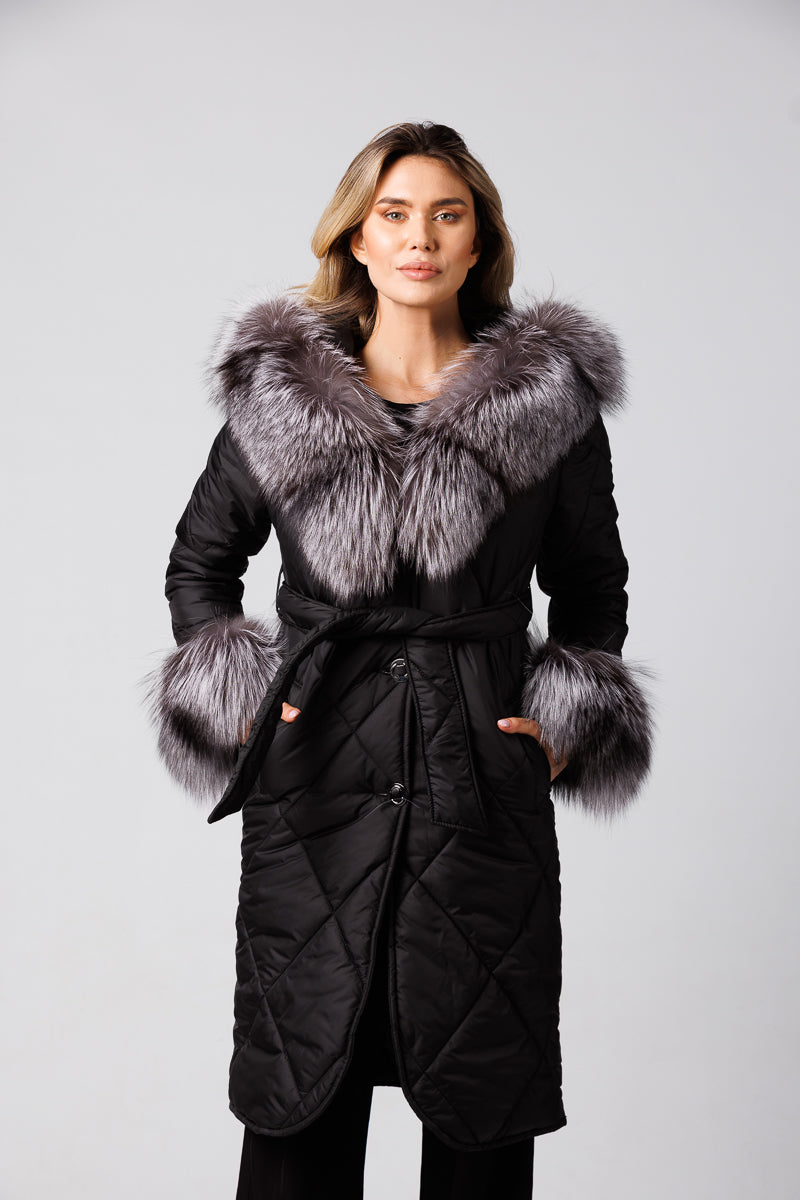
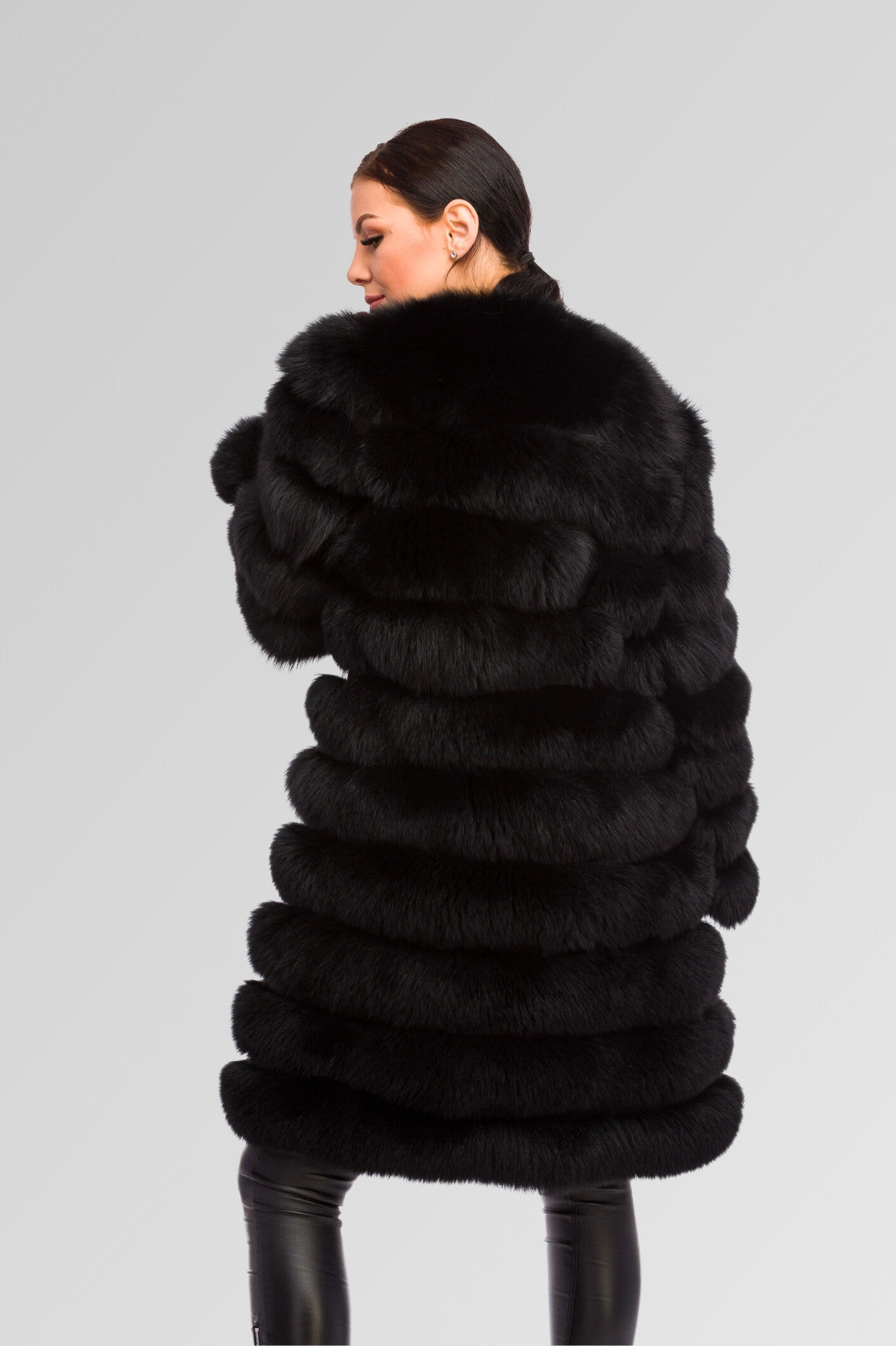
Natural fur requires professional cleaning before storage. Items must be completely dry, as excessive humidity damages the material. Storage should be on hangers appropriate to the garment's size, covered with thin cotton covers that allow ventilation. Special sprays protect the entire surface, including the hem of long coats. The storage space must be cool, dark, and protected from humidity. Plastic covers damage fur by retaining moisture. For long periods or unsuitable conditions, professional storage in temperature and humidity-controlled environments is the only safe option.
How to prevent moths from reappearing

Preventing re-infestation requires maintaining an environment unsuitable for moth reproduction and constant monitoring. Regular airing of the wardrobe is the first measure, as moths avoid air movement and direct light. Periodic inspection of stored clothes allows for quick detection of any signs of activity, including in folded areas and hidden corners where eggs may be laid unnoticed.
Vacuuming the wardrobe once a week removes dust, dead skin, and other particles that serve as food for larvae. Interior surfaces should be cleaned periodically, and clothes must be completely dry before introduction, thus maintaining a dry environment inside the storage space. Humidity and lack of adequate ventilation favor the presence of moths; therefore, controlling these factors significantly reduces the risk of re-infestation.
Pheromone traps can be used for continuous monitoring, not as the sole prevention method. Air fresheners with lavender, cedar, rosemary, or mint play an auxiliary role with their scent that discourages moths, but they do not eliminate an active infestation and do not replace regular cleaning. These natural substances are placed between clothes or on shelves, and periodic replacement maintains effectiveness, as aromas fade over time.
Storing items in clean, airtight containers prevents moth access. Dirty clothes should never be put in the wardrobe, and worn items should be washed before long-term storage. Regular inspection of storage areas prevents the accumulation of conditions conducive to larval development. By combining periodic cleaning, adequate ventilation, and constant inspection, moth reappearance can be effectively controlled.
What mistakes to avoid in moth control

Returning worn clothes to the wardrobe without washing is one of the common errors that facilitates infestation. The smell of sweat, dead skin cells, and hair attract females who lay eggs on textiles. Long-term storage without periodic checks allows for unnoticed larval development, and the absence of airtight containers or vacuum bags leaves textiles exposed. Additionally, neglecting regular vacuuming of carpets and upholstered furniture maintains food sources for larvae, just as insufficient washing of curtains at a minimum of 60 degrees allows eggs to persist in the material.
The use of chemical anti-moth products containing naphthalene poses health risks, as this cyclic hydrocarbon is considered dangerous. Ignoring product label recommendations and non-compliant application absolves the manufacturer and distributor of any responsibility. Careful reading of instructions before use is mandatory to avoid exposure to toxic substances.
Applying insecticides without proper protective equipment exposes the person to inhaling vapors or direct contact with chemicals. Wearing gloves and protective glasses prevents accidents, and adequate ventilation of the space during and after application reduces the risk of intoxication. Also, non-compliance with the complete treatment regimen allows for rapid re-infestation, so application must be carried out according to the manufacturer's specifications.
In cases of severe infestations or when affected items are of high value, intervention by specialized personnel is the only safe option. Sensitive areas, such as museums or exhibitions, require professional treatments performed under controlled conditions.